
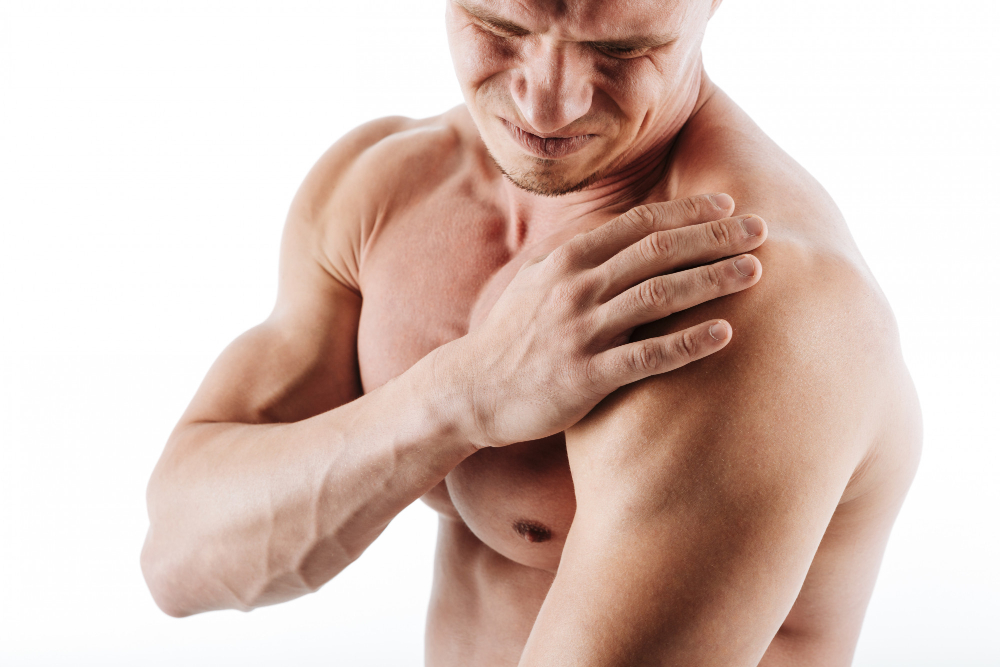
The shoulder labrum is a ring of cartilage that lines and stabilizes the ball-and-socket joint of the shoulder. It helps keep the ball of the upper arm bone (humerus) in place within the shallow socket of the shoulder blade (glenoid).
When the labrum is torn, the shoulder can feel weak, unstable, or painful during everyday activities.
Board-certified orthopedic surgeon and shoulder expert Dr. Sumit Dewanjee of FXRX in Tempe and Phoenix, Arizona, is often tasked with diagnosing and treating labral tears.
Frequently hailed as one of the top shoulder surgeons in Phoenix, Dr. Dewanjee has significant expertise in minimally invasive procedures, including arthroscopic shoulder labral repair.
Check these facts from our FXRX team about how labral tears occur, common symptoms, and what recovery looks like after arthroscopic surgery.
Causes of shoulder labral tears
Labral tears can occur for many reasons, including:
- Sports injuries, especially from overhead activities like baseball, tennis, or swimming
- Trauma, such as a fall onto an outstretched arm or a direct blow to the shoulder
- Repetitive motion from weightlifting, throwing, or jobs with frequent overhead lifting
- Aging or wear-and-tear over time can weaken the labrum, making it more prone to injury
Part of Dr. Dewanjee’s goal is to understand the cause of your tear and, once you’ve recovered from surgery, to prevent future problems through comprehensive rehabilitation.
Symptoms of shoulder labral tears
If you have a torn shoulder labrum, you may notice:
- A catching, locking, or grinding sensation in the shoulder
- Pain with overhead movement or lifting
- Shoulder instability, especially during sports
- Loss of strength and range of motion
- Discomfort at night or when lying on the shoulder
These symptoms can overlap with other shoulder issues, so a thorough evaluation by an orthopedic surgeon is essential.
Arthroscopic shoulder labral repair
When nonsurgical treatments such as rest, physical therapy, and anti-inflammatory medications don’t provide relief, Dr. Dewanjee may recommend arthroscopic shoulder surgery.
What to expect during surgery
The procedure is performed through small incisions using a tiny camera (arthroscope). Specialized instruments allow Dr. Dewanjee to reattach the torn labrum to the bone using small anchors and sutures.
Because the procedure is minimally invasive, it usually results in less pain, smaller scars, and a quicker recovery compared with traditional open surgery.
Recovery timeline after arthroscopic shoulder labral repair
Recovery from arthroscopic shoulder labral repair is a gradual process that takes several months:
First 4-6 weeks
You can expect to wear a sling to help protect your shoulder during the initial healing period. Depending on your progress, Dr. Dewanjee may prescribe gentle range-of-motion exercises under supervision.
6-12 weeks
Physical therapy during this period typically focuses on restoring motion and light strengthening.
3-6 months
Strengthening progresses, and most patients resume normal daily activities with some limitations, such as full participation in sports or other strenuous exercise.
6-9 months
During this phase, athletes and active individuals can usually return to sports and higher-level activities once strength and stability are fully restored.
Dr. Dewanjee tailors your recovery strategy to meet your specific needs. Following your rehabilitation plan closely is essential for achieving the best possible outcome.
Take the next step
If you’re experiencing persistent shoulder pain, instability, or difficulty with overhead activities, schedule a visit with Dr. Dewanjee at FXRX today. Call us or book online.