
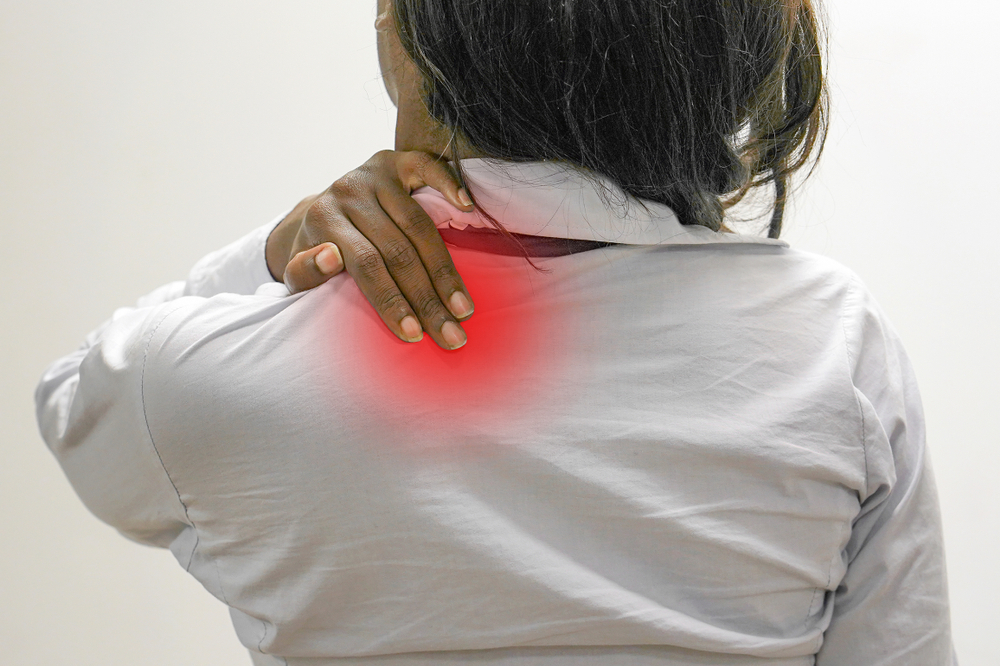
If you have pain in a bone that is unrelenting and associated with exercise or work then you might have suffered a stress fracture. These injuries seem innocent enough but can have significant implications if left alone and not looked at by a professional.
What is a stress fracture?
A fracture (as many of us will know) is a broken bone. A complete fracture splits the bone into two or more pieces whilst a partial fracture doesn’t. However, a stress fracture is a broken bone caused by repetitive and repeated compressive stresses to it. It can occur from a small number of high load repeated stresses and a high number of low load stresses (ie a marine with a heavy backpack running for a few miles versus a distance runner pounding the pavement for over 100 miles a week).
What happens if you leave it untreated?
This all depends on where the fracture is and whether it is in a high or low-risk site. In the worst case scenario, the stress fracture can develop into a full fracture causing displacement of the bone, nonunion (where the bone doesn’t heal properly) or fracture propagation (where the fracture becomes bigger and bigger). These complications are likely to occur at high-risk sites. High-risk sites for a stress fracture include:
- Any stress fractures in the spine but particular the region of the lumbar spine known as the pars interarticularis
- Hip and thigh fractures in the femoral head
- Knee and leg fractures of the patella or the tibia
- Ankle and foot fractures in the:
- Medial malleolus
- Talus
- Tarsal navicular
- Base of second metatarsal
Some sites have a low risk of complication and these include:
- Second and fourth metatarsal shafts (bones in the feet)
- Posteromedial tibial shaft (part of the lower leg bone)
- Proximal Humerus
- Humeral shaft (arm)
- Ribs
- Sacrum (bottom of the spine)
How should it be managed?
If you or somebody you know suspects you might be suffering from a stress fracture then get in contact with a specialist orthopedic clinic immediately for evaluation. They will assess what the best treatment is, but the general principle is that the sooner treatment is given the better the outcome. They will decide between conservative and surgical treatment for the fracture. Usually conservative is chosen in low-risk fractures in those whose livelihood does not depend on getting better immediately. However, if an individual has a fracture in a high-risk site or their livelihood depends upon being active (ie a highly competitive athlete or a laborer on their feet all day) then it may be decided that surgery is the best option.
Conservative treatment usually consists of:
- Pain control with medications
- A splint that stops weight bearing on the fractured site
- A reduction in activity until the fracture has healed
- A slow and gradual increased in activities once the patient is pain-free
- Exercises to help with rehab